Battersea Power Station Removals for High Rise Apartments: A Practical Guide to Smooth, Safe Moving
Moving into or out of a high rise apartment at Battersea Power Station is not quite the same as a standard house move. The lift booking, the loading bay, the neighbour flow, the size of your furniture, the concierge rules - all of it matters. And if you've ever stood in a hallway with a sofa that looked perfectly normal in the shop but suddenly seemed to have grown four extra inches, you'll know the feeling. Battersea Power Station removals for high rise apartments need planning, timing, and a calm, organised approach.
This guide breaks down exactly how these moves work, what usually causes delays, and how to make the process far less stressful. Whether you're moving a one-bed apartment, handling a larger family relocation, or clearing furniture for a new tenant, the goal is the same: keep the move safe, efficient, and manageable from the first box to the last chair.
For broader move planning, it can also help to look at home moves and man with van options, especially if your apartment move needs flexibility rather than a full-scale removal truck. And if you're dealing with bulky items before or after the move, services like furniture pick up can make life much easier.
Table of Contents
- Why Battersea Power Station removals for high rise apartments Matters
- How Battersea Power Station removals for high rise apartments Works
- Key Benefits and Practical Advantages
- Who This Is For and When It Makes Sense
- Step-by-Step Guidance
- Expert Tips for Better Results
- Common Mistakes to Avoid
- Tools, Resources and Recommendations
- Law, Compliance, Standards, or Best Practice
- Options, Methods, or Comparison Table
- Case Study or Real-World Example
- Practical Checklist
- Conclusion
- Frequently Asked Questions
Why Battersea Power Station removals for high rise apartments Matters
Battersea Power Station is one of those places where the building itself changes the moving experience. High rise apartments bring shared entrances, controlled access, lifts, parking restrictions, and a steady stream of residents and contractors coming and going. That means removals there are not just about carrying items from one place to another. They are about fitting the move around a busy vertical building.
In practice, that affects everything: when you can arrive, where the van can stop, how long the lift is available, and whether your furniture will fit through doors, corridors, and around corners without damage. A move that would take an hour in a terraced house can easily become a half-day exercise if those details are ignored. Bit of a headache if you turn up unprepared.
There's also the question of building etiquette. High rise properties are shared spaces, so a smooth move helps everyone else too. Quiet handling, clean routes, respectful scheduling, and careful waste removal all matter. If you are moving out and leaving items behind, it may be worth arranging mattress and sofa disposal or checking what your next step should be for larger items.
Expert summary: high rise removals are won or lost before the van even arrives. Measure first, book access properly, and plan the lift and loading route as carefully as the packing.
How Battersea Power Station removals for high rise apartments Works
A typical high rise move follows a more structured process than many people expect. The reason is simple: the building environment demands it. You are usually coordinating several moving parts at once, and if one part slips, the whole timeline can wobble.
1. Pre-move planning and access checks
Before moving day, the removal plan should cover access instructions, lift bookings, the exact moving window, and any building rules about protecting walls, floors, and door frames. Some buildings require notice for movers, and others have strict time slots for loading and unloading. It is wise to confirm these details early rather than assuming everything will be straightforward.
2. Inventory and furniture assessment
The next step is usually a practical walk-through. Large wardrobes, bed frames, mirrors, white goods, and awkward shaped items need checking against lift sizes, corridor width, and turning space. A sofa that goes in piece by piece is one thing; a fixed-frame bookcase can be another matter entirely.
If you are also moving appliances, services such as fridge and appliance removal can help with heavy items that need extra handling. If you are disposing of old items, combining that with recycling and sustainability practices is a smart way to reduce waste.
3. Packing for vertical transport
In high rise removals, packing is not just about protection; it is about manoeuvrability. Boxes should be stackable, well labelled, and not overfilled. Soft items can be used to protect surfaces, and fragile items need to be separated so they can be carried safely in lifts and along shared corridors. You really do notice the difference when everything is packed in a way that one person can manage without wobbling across the lobby.
4. Moving day logistics
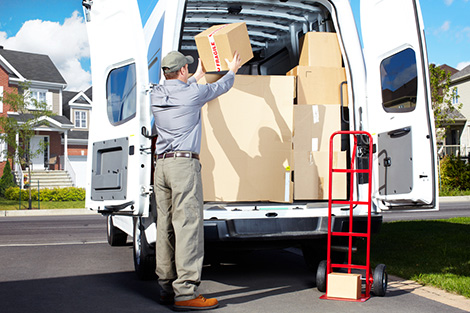
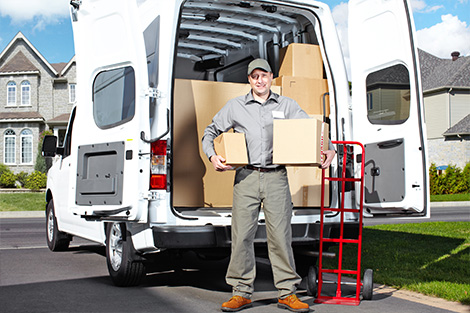
On the day itself, the team usually works to a sequence: arrival, building check-in, lift access, loading, carrying, and van loading. A well-run move keeps the building moving flow calm and avoids long delays in the lobby. If you have a lot of furniture or multiple rooms to clear, a larger vehicle from moving truck or removal truck hire may be more appropriate than a small van.
5. Final placement and unpacking
Once everything reaches the new apartment, the work is not quite finished. Items need to be placed in the right rooms, checked for damage, and unpacked in a sensible order. Services like packing and unpacking services can save a lot of back and forth, especially when you arrive after a long day and just want the kettle, the bed and your phone charger. Not necessarily in that order.
Key Benefits and Practical Advantages
There are real advantages to using a removal service that understands Battersea Power Station and other high rise settings. The biggest one is control. Instead of reacting to problems on the day, you are working to a plan that already takes the building into account.
- Less lift confusion: lift slots, passenger lift restrictions, and service lift usage are easier to handle when the move is planned around them.
- Reduced risk of damage: careful carrying and proper packing lower the chances of scratched walls, dented furniture, or chipped flooring.
- Better time management: a scheduled move is far more efficient than trying to improvise in a busy residential tower.
- Less stress: you spend less time juggling building rules and more time focusing on the move itself.
- More suitable vehicle choice: from compact moves to full apartment removals, the right transport makes a noticeable difference.
Another practical advantage is that high rise moves often involve mixed needs. You might be moving home, but you may also be clearing old office files, replacing furniture, or getting rid of worn-out appliances. In those cases, a broader service mix can help, including office relocation services for business items or confidential shredding for sensitive documents.
And let's be honest: if you are moving from a sleek apartment with floor-to-ceiling glass and a concierge desk that looks like an airport lounge, you probably want the logistics to feel equally polished. Fair enough, too.
Who This Is For and When It Makes Sense
This kind of removal service is a strong fit for a few different people. It is not only for families moving entire homes. High rise apartment removals are often needed by renters, buyers, landlords, and even short-let property owners who need fast turnaround and careful handling.
- New residents moving into an apartment at Battersea Power Station and needing help with access, lift bookings, and furniture handling.
- Existing residents relocating to another part of London and wanting a more efficient, less disruptive move.
- Landlords and letting agents clearing an apartment between tenancies.
- People downsizing and needing old items removed before the move.
- Residents with bulky furniture that will not fit easily in lifts or around narrow corridors.
It also makes sense when timing matters. If your building has a specific move-out window, a lift reservation, or loading bay rules, the move needs to be handled with proper coordination. That is especially true in busy developments where several residents may be moving on the same day, which, to be fair, happens more often than you might think.
Step-by-Step Guidance
If you want the move to run well, keep it simple and systematic. Here is a practical sequence that works in real life, not just on paper.
- Confirm your building rules. Check lift booking times, loading access, parking restrictions, and any concierge instructions.
- Measure large items. Don't guess. Measure sofas, beds, wardrobes, white goods, and any furniture with awkward angles.
- Sort what is staying and what is leaving. If an item is not making the move, deal with it early rather than letting it slow things down on the day.
- Choose the right moving support. Some moves only need a flexible small team, while others are better served by a larger vehicle and a more complete set-up.
- Pack with lift travel in mind. Use strong boxes, secure lids, and clear labels. Keep the heaviest boxes small enough to carry safely.
- Protect building spaces. Door frames, floors, and lift walls may need covering or extra care during the move.
- Stage items near the exit. A tidy staging area saves time and reduces the number of trips back and forth.
- Keep essentials separate. Kettle, medications, chargers, toiletries, and documents should travel with you, not disappear into the van.
- Check everything at both ends. Once delivered, inspect items and make sure nothing has been left behind in cupboards, balcony storage, or service areas.
If you are moving bulky pieces that may not be worth taking with you, a service such as furniture pick up can help you clear space before moving day. That tends to make the whole process feel lighter, literally and mentally.
Expert Tips for Better Results
A few small decisions can make a high rise move much easier. These are the things that experienced movers notice quickly, and the things first-time movers often discover the hard way.
- Book the move earlier than you think you need to. High rise access windows are often tighter than standard domestic moves.
- Use colour coding for rooms. Blue labels for kitchen, green for bedroom, red for fragile items. It sounds minor. It saves time.
- Disassemble furniture before moving day. Beds, tables, and shelving are much easier to handle in pieces.
- Keep screws and fittings in labelled bags. Tape them to the relevant item or store them in one clearly marked box.
- Check appliance dimensions against the lift. A washing machine or fridge that fits the room may still be awkward in the lift.
- Arrange disposal in advance. If you know you are not taking an item, deal with it before the chaos starts.
One useful habit is to prepare a "first night" box. Put in bedding, a mug, toiletries, chargers, snacks, basic cleaning supplies and a change of clothes. You'll thank yourself at 9pm when the place is half-unpacked and you are too tired to think straight.
Also, if you expect to move several heavy items or want extra flexibility around transport, compare man and van style support with a larger moving truck option. The best choice depends on volume, access, and how much lifting the day will involve.
Common Mistakes to Avoid
Most problems in high rise removals come from a handful of predictable mistakes. Nothing dramatic. Just the sort of things that create delays, stress, and awkward conversations in the lobby.
- Assuming the lift is always available. Many buildings require advance booking or have rules about when it can be used for removals.
- Ignoring furniture measurements. A chair that looks compact can still snag on a turn or fail to fit through a doorway.
- Leaving packing too late. Last-minute boxes are often weak, overfilled, and badly labelled.
- Forgetting disposal items. Old mattresses, broken appliances, and unwanted sofas are easy to overlook until moving day is already full.
- Not checking building instructions. The concierge may be helpful, but they still need the move to follow the rules.
- Using the wrong vehicle size. Too small and you make multiple runs; too large and access or parking becomes a problem.
There is also a hidden mistake that many people make: assuming the building team or concierge will solve everything. They usually help, yes, but they are not there to manage your move for you. A little preparation goes a long way.
Tools, Resources and Recommendations
You do not need a mountain of gear for a good apartment move, but a few practical tools make the job cleaner and safer.
- Strong moving boxes for books, kitchenware, and general household items.
- Wardrobe boxes for clothing that should stay tidy and crease-free.
- Bubble wrap or paper wrap for glass, framed prints, and fragile decor.
- Furniture blankets to protect corners and polished surfaces.
- Tape, labels, and markers so every box has a room and contents noted.
- Dolly or trolley equipment for heavier items where building rules and surfaces allow it.
It is also worth checking the moving provider's approach to safety and security. Pages like insurance and safety, health and safety policy, and payment and security can give you a clearer sense of how the company handles risk and customer protection. That sort of reassurance matters when you are handing over the contents of your home.
If you are planning a move with mixed disposal needs, it can also be useful to review hazardous waste disposal and what can go in a skip so you know what should be separated before collection. Not glamorous, but very useful.
Law, Compliance, Standards, or Best Practice
For removals in a high rise setting, the main compliance issues usually come down to building rules, safe handling, waste responsibilities, and respectful use of shared spaces. You do not need legal jargon to get this right, but you do need to take it seriously.
Best practice in London apartment moves generally includes:
- following building access instructions and lift booking requirements;
- protecting communal areas from damage;
- handling bulky items carefully so they do not cause injury or block exits;
- separating waste and unwanted items responsibly;
- making sure electrical appliances and heavy furniture are moved in a safe, controlled way;
- keeping documentation clear if you are moving goods for a landlord, business, or managed property.
If you are disposing of items, you should also think carefully about recycling and reuse. That is not just a nice extra. It is part of good moving practice. Old sofas, mattresses, and appliances often need separate handling, and choosing the right disposal route helps avoid unnecessary waste. If you are handling business-sensitive material at the same time, commercial moves and confidential shredding may be relevant too.
And one more thing: if a building rule seems unclear, ask. Do not guess. A two-minute question to the concierge can save you a two-hour delay. Simple as that.
Options, Methods, or Comparison Table
Different apartment moves need different approaches. Here is a straightforward comparison to help you think about what suits your situation.
| Option | Best for | Strengths | Limitations |
|---|---|---|---|
| Man and van | Smaller flats, lighter loads, flexible timing | Agile, often ideal for tight access and limited parking | May not suit larger furniture volumes |
| Moving truck | Medium to larger apartment removals | Handles more items in fewer trips | Needs better planning for loading space and access |
| Removal truck hire | Full apartment relocations or larger household moves | Efficient for substantial volumes and multiple rooms | May be unnecessary for very small moves |
| Packing and unpacking support | Busy households, families, time-poor movers | Reduces stress and speeds up settling in | Adds extra service cost, but often worth it |
In many Battersea Power Station moves, the best answer is not one single service but a sensible combination. For example, a compact apartment move may only need a man with van setup, while a larger two- or three-bedroom apartment might be easier with a more substantial vehicle and a careful packing plan.
Case Study or Real-World Example
Picture a couple moving into a high rise apartment at Battersea Power Station on a Friday afternoon. They have a sofa, a bed, a dining table, several plants, kitchen boxes, and a fridge freezer they want moved without damage. They also have a narrow time window because the lift is booked for only two hours.
The move goes well because they did the dull but important things early. They measured the sofa, checked the lift size, separated the plant pots, and packed the kitchen properly. They also moved a few unwanted items first, including an old mattress and a broken chair, so the new apartment did not start life feeling cluttered. That freed up space and reduced pressure on the move itself.
On moving day, the team loads in a sensible order: boxes first, then furniture, then the awkward pieces that need extra care. The corridor stays clear. The lift booking holds. Nobody is rushing in circles. By the end of the afternoon, the apartment feels like a home instead of a storage unit. It is not magic, just good planning.
That sort of move is very typical of high rise apartment work in this area. The difference between a smooth day and a messy one is often preparation, not brute strength. Good logistics beat panic every time.
Practical Checklist
Use this checklist before moving day to keep the process under control.
- Confirm building rules, access instructions, and lift booking times.
- Measure all major furniture, appliances, and awkward items.
- Decide what is staying, selling, donating, recycling, or disposing of.
- Book the right moving support for your load size.
- Pack fragile items securely and label boxes clearly.
- Prepare a first-night essentials box.
- Protect floors, corners, and surfaces where needed.
- Keep keys, documents, and medications with you.
- Arrange disposal for anything not making the move.
- Check the apartment, balcony, and storage areas before handing over keys.
That last one gets missed more often than you would think. People are in a hurry, the lift is waiting, and then later they realise the charger, the curtain pole, or the spare set of keys is still tucked away in a drawer. Happens all the time.
Get a free quote today and see how much you can save.
Conclusion
Battersea Power Station removals for high rise apartments work best when the move is treated like a building-specific project, not just a van job. The access rules, lift timings, shared spaces, and furniture sizes all matter. When those pieces are planned properly, the move becomes far less stressful and a lot more efficient.
Whether you are moving into a new apartment, leaving one behind, or clearing out bulky items before the handover, the smart approach is the same: plan early, pack well, and choose the right support for the space. If you do that, the day feels calmer. More under control. More human, even.
And really, that is what most people want on moving day - a steady process, fewer surprises, and the feeling that everything is landing in the right place, at the right time.
Frequently Asked Questions
What makes Battersea Power Station removals for high rise apartments different from a normal house move?
The main difference is access. High rise apartments often involve lift bookings, loading bay rules, concierge coordination, and tighter handling routes. That changes how the move is planned and timed.
Do I need to measure furniture before moving into a high rise apartment?
Yes, absolutely. Measuring furniture, door frames, lift space, and corridor turns helps avoid delays and prevents items getting stuck or damaged on the way in.
What if my sofa or bed will not fit through the lift?
Sometimes the item can be dismantled. If not, you may need a different handling plan or a disposal solution. It is best to check this before moving day rather than discovering it in the lobby.
How far in advance should I book a removal for Battersea Power Station?
As early as you can, especially if your building has limited moving windows. High rise access can be tight, and good time slots tend to get snapped up quickly.
Can a man and van service handle a high rise apartment move?
Yes, for smaller loads or lighter apartment moves, a man and van service can be a very practical choice. For larger moves, a bigger vehicle may be better.
What should I do with furniture I do not want to take?
You can arrange removal in advance, rather than leaving it until the last minute. Options such as furniture pick up or specialised disposal services can help clear space before the move.
Are there special rules for moving appliances in a high rise building?
Often, yes. Heavy appliances may need careful handling, protective equipment, and a route that avoids damage to shared areas. They should also be disconnected properly before removal.
Is packing and unpacking worth it for an apartment move?
For many people, yes. It saves time, reduces stress, and makes the first night in the new place much easier. It is especially helpful if you have a narrow move window or a lot of fragile items.
How do I reduce damage in communal areas during the move?
Use protective coverings where appropriate, keep routes clear, carry items carefully, and avoid dragging furniture through hallways. Good movers also work with the building's access instructions.
Can I combine removals with disposal and recycling?
Yes, and it is often a smart move. If you have waste, unwanted furniture, or broken appliances, combining removal with recycling-friendly disposal keeps the process cleaner and more efficient.
What if I am moving out of Battersea Power Station and into another London flat?
Then you will want a removal plan that works at both ends. That means checking access at the new place too, not just the old one. Two buildings, two sets of rules, one moving day - a little careful coordination goes a long way.
How do I know whether I need a moving truck or a smaller vehicle?
It depends on how much you are moving and how bulky the items are. A smaller apartment may suit a flexible van, while a full flat or multi-room move may need a larger transport option. If in doubt, get advice before booking.